Period Calculator: Know Exactly When Your Next Cycle Starts
Dealing with your monthly cycle can feel like a guessing game. Our tool takes the stress away so you are never caught off guard.
100% Private & No Signup Required
Use the calculator Enter your last period start date and usual cycle length for instant estimates.
Why You Should Track Your Cycle
Your body has its own rhythm. Every woman is different. Some have a cycle that runs like a clock every twenty eight days. Others might find that their dates shift around a bit. By using a period tracker online, you can see these patterns clearly. It is not just about knowing when the bleeding starts. It is about knowing how your energy and mood might change throughout the month. This is helpful for your health and your peace of mind.
How to Count My Menstrual Cycle Like a Pro
If you are wondering how to count my menstrual cycle, it is actually very simple. You always start counting on the very first day of your period. This day is often called your Last Menstrual Period or LMP. You count from day one of one period to day one of the next one. That total number of days is your cycle length. For most people, this is between twenty five and thirty five days. If yours is shorter or longer, that is okay too. The goal is to find what is normal for you.
When Do You Get Your Period
The age of first period is different for everyone. Most girls start between the ages of ten and fifteen. It usually happens about two years after your breasts start to develop. Once it starts, your body is moving through different stages. You might feel a bit tired or notice some spotting before the full flow begins. Using a next period date calculator helps you see when these signs are coming so you can be ready.
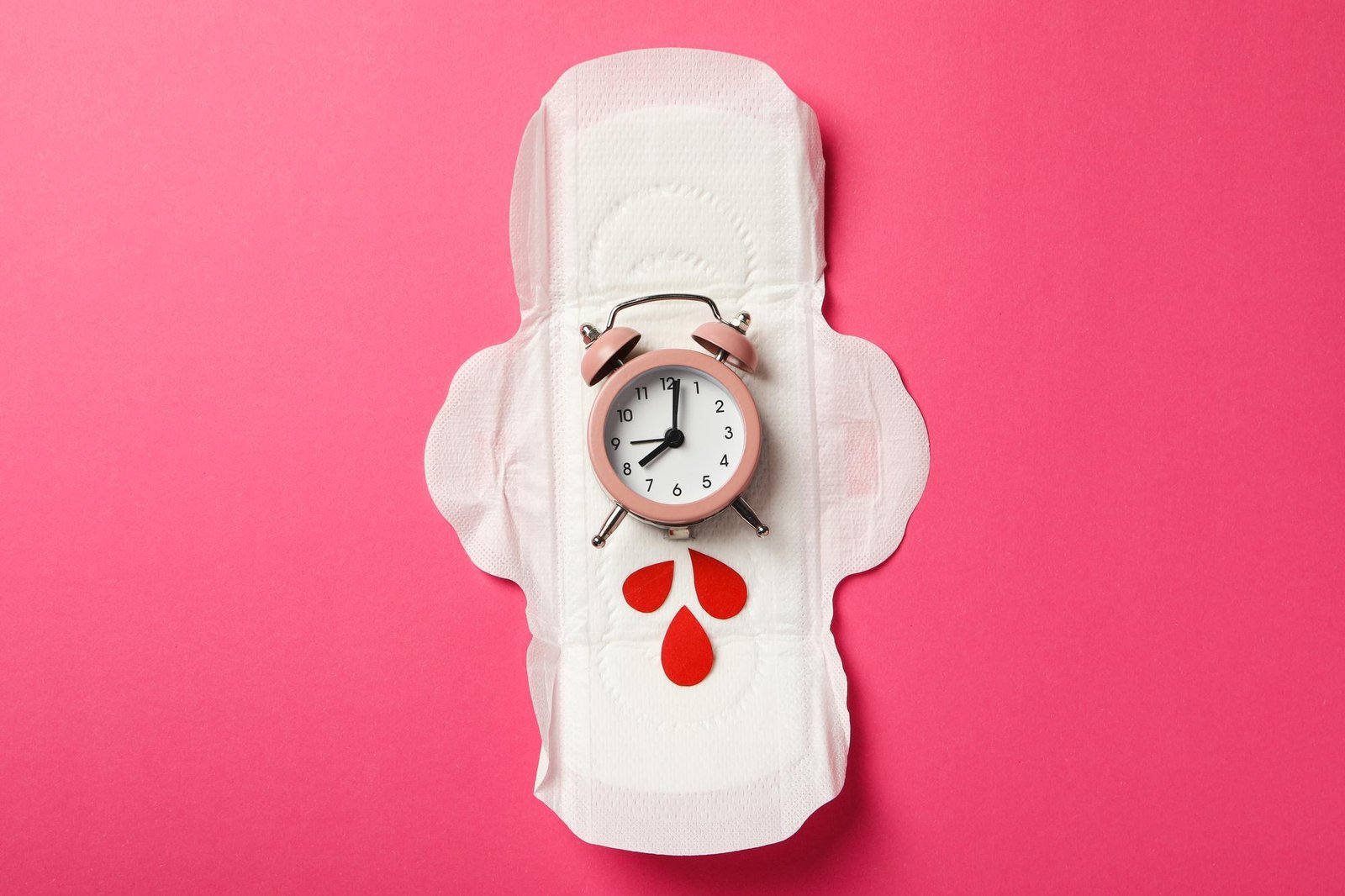
Understanding Your Menstrual Phases
Your cycle is more than just the days you are bleeding. There are four main parts to it. First is the period itself. Then comes the follicular phase where your body gets ready to release an egg. After that is the ovulatory phase. This is when you are most fertile. Finally, there is the luteal phase. If you want to know what menstrual phase is after period, it is the follicular phase. This is when your estrogen starts to rise and you often feel more energetic.
How Long After You Ovulate is Your Period
This is a question many women ask. Usually, your period will start about twelve to sixteen days after you ovulate. This part of the cycle is quite steady for most people. If you track your ovulation, you can predict your next period date with great accuracy. It helps you understand your fertile window and your safe days. Knowing when are safe days of a woman helps you manage your lifestyle and health choices with confidence.
Dealing with Irregular Cycles
It is very common to have an irregular cycle, especially when you are younger. Stress, diet, and exercise can all change your dates. Sometimes your body just skips a beat. A period prediction calculator is still useful here. It helps you see how much your cycle varies. If you notice huge gaps or very frequent periods, it might be a good idea to chat with a doctor. Keeping a record on a private period calculator makes that conversation much easier.

Tracking Your Health Symptoms
Periods often come with other signs like cramps or PMS. You might feel a bit bloated or have a change in your skin. When you use a period calendar regularly, you can see if these symptoms happen at the same time every month. This helps you prepare. Maybe you decide to take it easy on those days or make sure you get extra sleep. It is all about listening to what your body is trying to tell you.
No Signup and Total Privacy
We believe your health data is your business. That is why our free online period tracker does not require you to create an account. You can use the period calculator no signup required and get your results instantly. It is a fast and easy way to stay informed without worrying about your data being shared. Just enter your dates and get the answers you need.